Costs & ROI
How much does a composite bonding course cost in the UK? (2026 + ROI)
What UK composite bonding courses actually cost in 2026, why prices range from roughly £1,300 to £1,800, what should be included — and a calculator that shows how quickly the fee pays for itself at your own fees.
 Dr Albert GajdosUpdated 14 September 20267 min read
Most 2-day hands-on composite bonding courses in the UK cost between roughly £1,300 and £1,800 in 2026. The Simplifi Composite and Simplifi Layering courses are £1,487.50 + £297.50 VAT (£1,785 total), with 0% APR instalments available. But the headline number matters less than what sits behind it — and how quickly the fee comes back once you’re treating cases. Here’s the honest breakdown.
What a UK composite bonding course costs in 2026
Across the UK market, a two-day hands-on anterior composite course generally lands between about £1,300 and £1,800. Single-day or lecture-led courses can be cheaper. Premium hands-on courses with close instructor attention sit at the top of the range. The Simplifi hands-on courses are £1,487.50 + £297.50 VAT (£1,785) — the same for both Simplifi Composite and Simplifi Layering.
Why composite bonding courses vary so much in price
Two courses can look identical on a flyer and deliver very different skill gains. Price usually reflects:
- Hands-on time and materials — placing six teeth yourself costs more to run than watching a demo, and it’s worth more.
- Instructor attention — a course where the instructor checks your work regularly costs more per head to run than one where you watch a demo, because numbers have to be capped.
- The instructor — track record and published work.
- Sponsorship — some courses are heavily sponsored by one manufacturer and built around a single composite system and its instruments. That subsidy is often why the fee is lower. The trade-off is independence: you learn one brand’s way of doing things and get no impartial view on materials or techniques, and part of the day is, in effect, geared towards selling you the products the technique depends on. An independent course costs more to run precisely because nobody else is paying for it.
- What’s included — a printed manual or hardcover book, post-course support and refreshments all add real value.
- Venue — comfortable 4–5★ hotel settings cost more than a back room.
The trap is comparing a cheaper lecture day with a premium hands-on course as if they’re the same product. They aren’t. Use our guide to choosing a course to compare like with like.
What should be included in the price
A fair, all-inclusive fee should cover:
- The full two days of hands-on teaching, with materials and equipment to use on course
- Verifiable CPD (around 17 hours) and a certificate
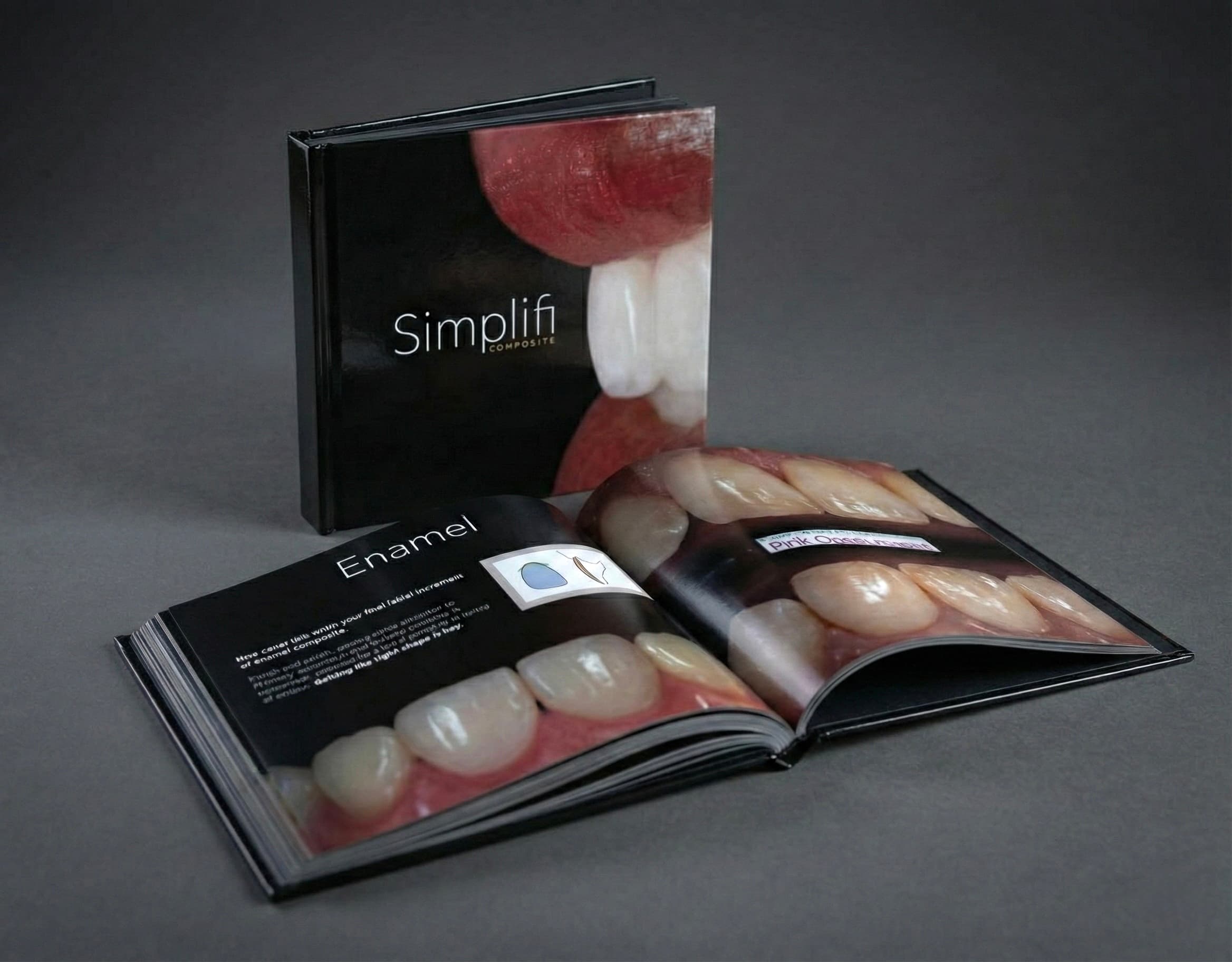
- A take-home manual you’ll actually use afterwards
- Post-course support so you can implement with confidence
- Refreshments — and, ideally, no proprietary kit you’re expected to keep buying.
Every Simplifi course includes all of the above: 17 hours of CPD, a 250+ page hardcover manual (300+ for Layering), materials and equipment to use on course, refreshments both days, a post-course WhatsApp group and the post-course Friday social drinks and meal. You won’t be asked to buy anything extra. See the full list on the FAQ.
Is a composite bonding course worth it? The ROI
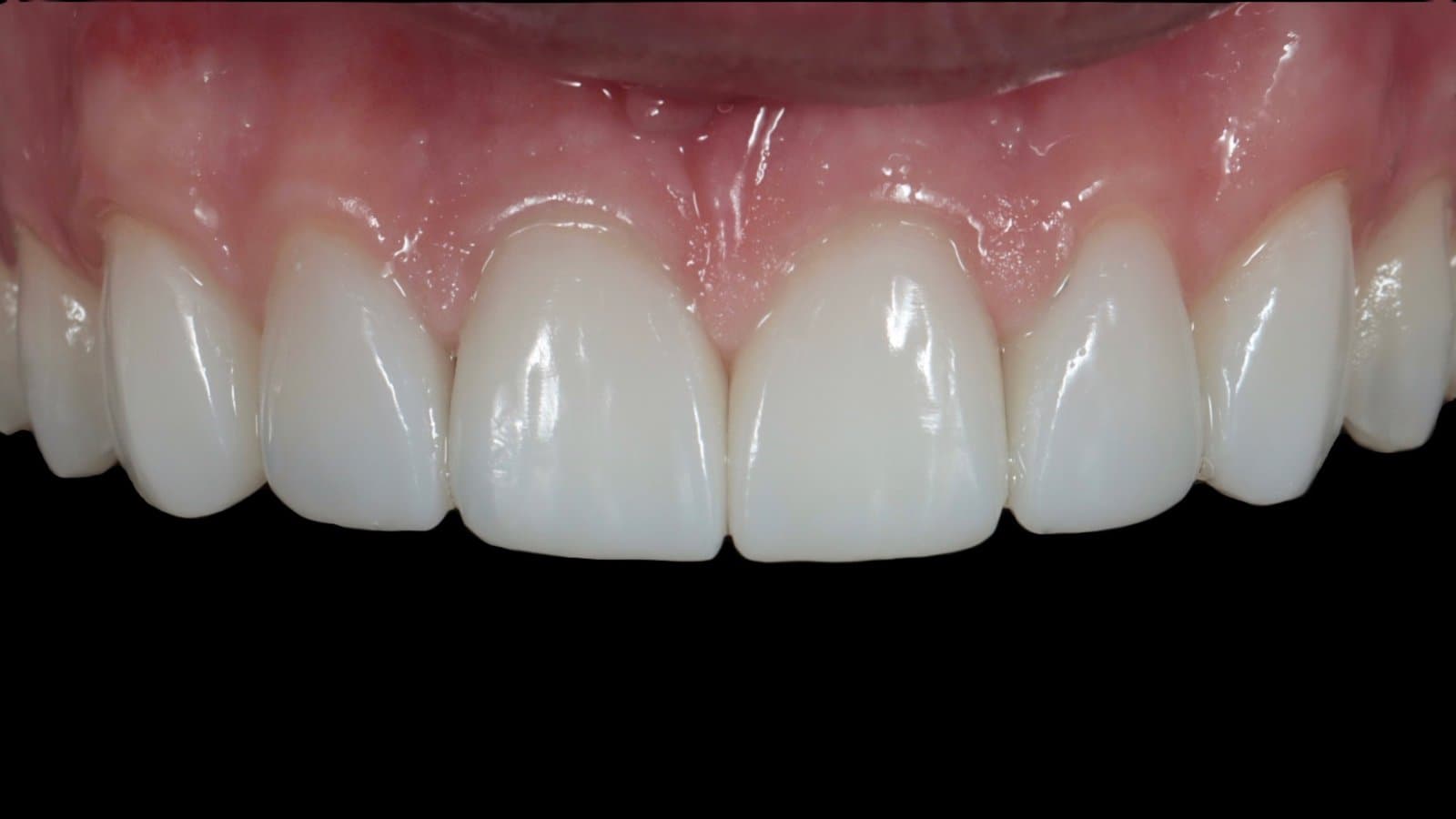
For most dentists, the return is fast — because composite bonding is a high-demand, high-margin, single-visit treatment done chairside with no lab fee. The exact maths depends on your fees, which vary widely by location and practice, so treat the following as an illustration rather than a quote:
If you charge somewhere in the region of £180–£300 per unit of anterior composite, a single six-unit case, or a handful of edge-bonding and diastema cases, can cover the course fee outright. After that, the skill compounds: you work faster, redo fewer cases, and attract the cosmetic work patients increasingly ask for. Many delegates find the course pays for itself within their first weeks back in practice.
Don’t take our word for it — put your own fees in. The calculator below uses the Simplifi fee including VAT and shows how many cases cover it and how quickly.
Payback calculator
How many cases pay for the course?
I’m a…
Edge bonding and composite veneers are usually priced per tooth.
Two centrals for an edge-bonding case. Four to six for a smile case.
Cases you would take on rather than refer, decline or under-quote.
- Fee income per case
- £1,200
- Cases to cover the £1,785 course fee
- 2 cases
- Break-even at 2 extra cases a month
- Within the first month
- Year-one fee income after the course fee
- £27,015
This is purely for illustrative purposes; details and parameters may vary. Gross fees, before materials, chair time and tax — composite bonding is single-visit with no lab bill, so the margin is usually high, but the point is your numbers, not ours. Associates: the usual 40% to you, 60% to the practice is assumed. Adjust in your head if your contract differs. The course fee is £1,785 including VAT. Most dental services are VAT-exempt, so assume you cannot reclaim it.
Beyond the money
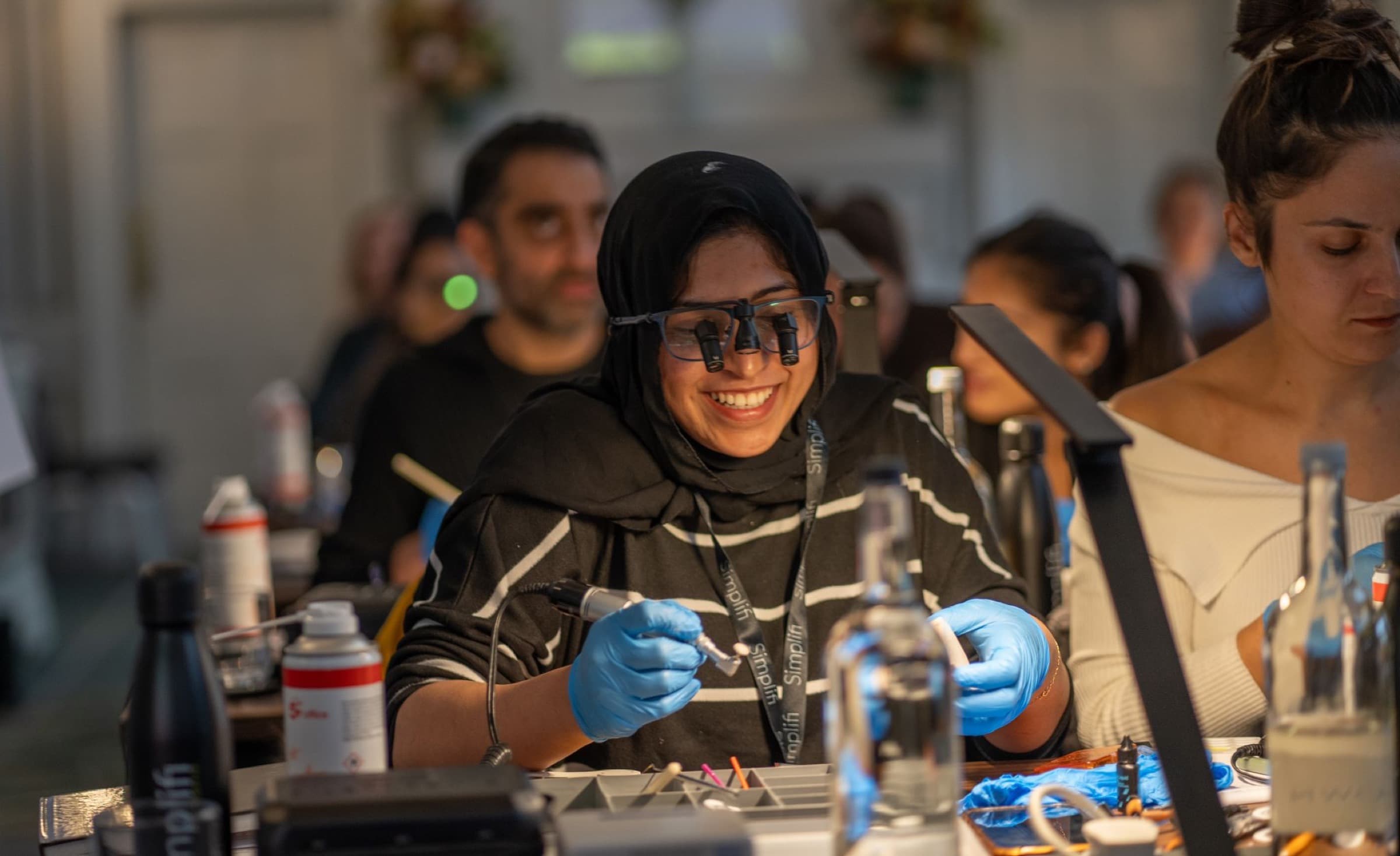
The financial return is only half the story. Delegates consistently say the biggest change is confidence and enjoyment — composite stops being the stressful part of the day and becomes some of the most rewarding work they do. That shows up in happier patients, more referrals, and a practice you enjoy running.