

Composite bonding, decoded
Composite bonding course guides for dentists and therapists
Straight-talking guides for dentists and therapists — how to choose a composite bonding course, which one comes first, what it really costs, and how it compares to porcelain. Written by Dr Albert Gajdos.
Start here
Choosing a composite bonding course
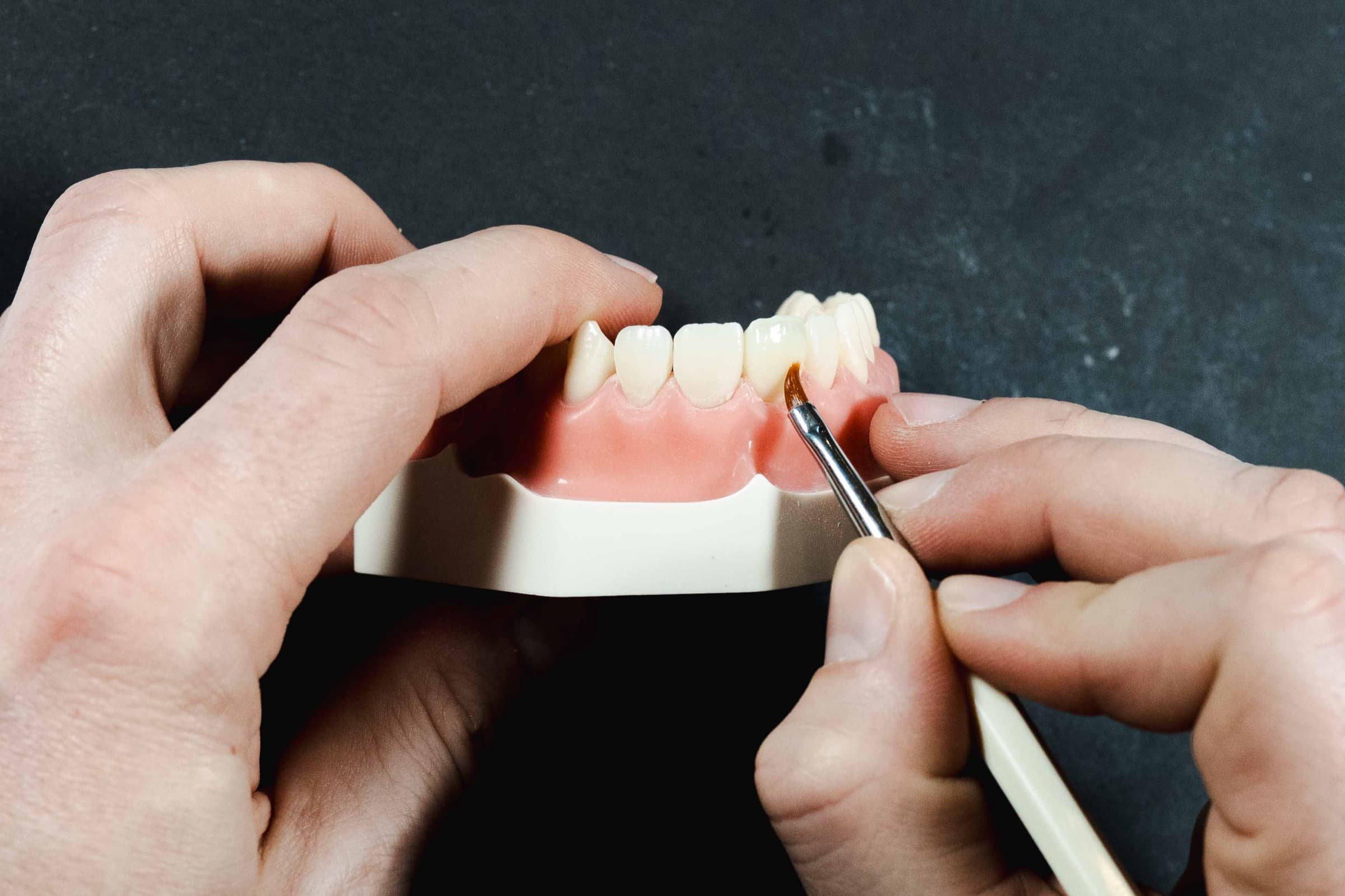
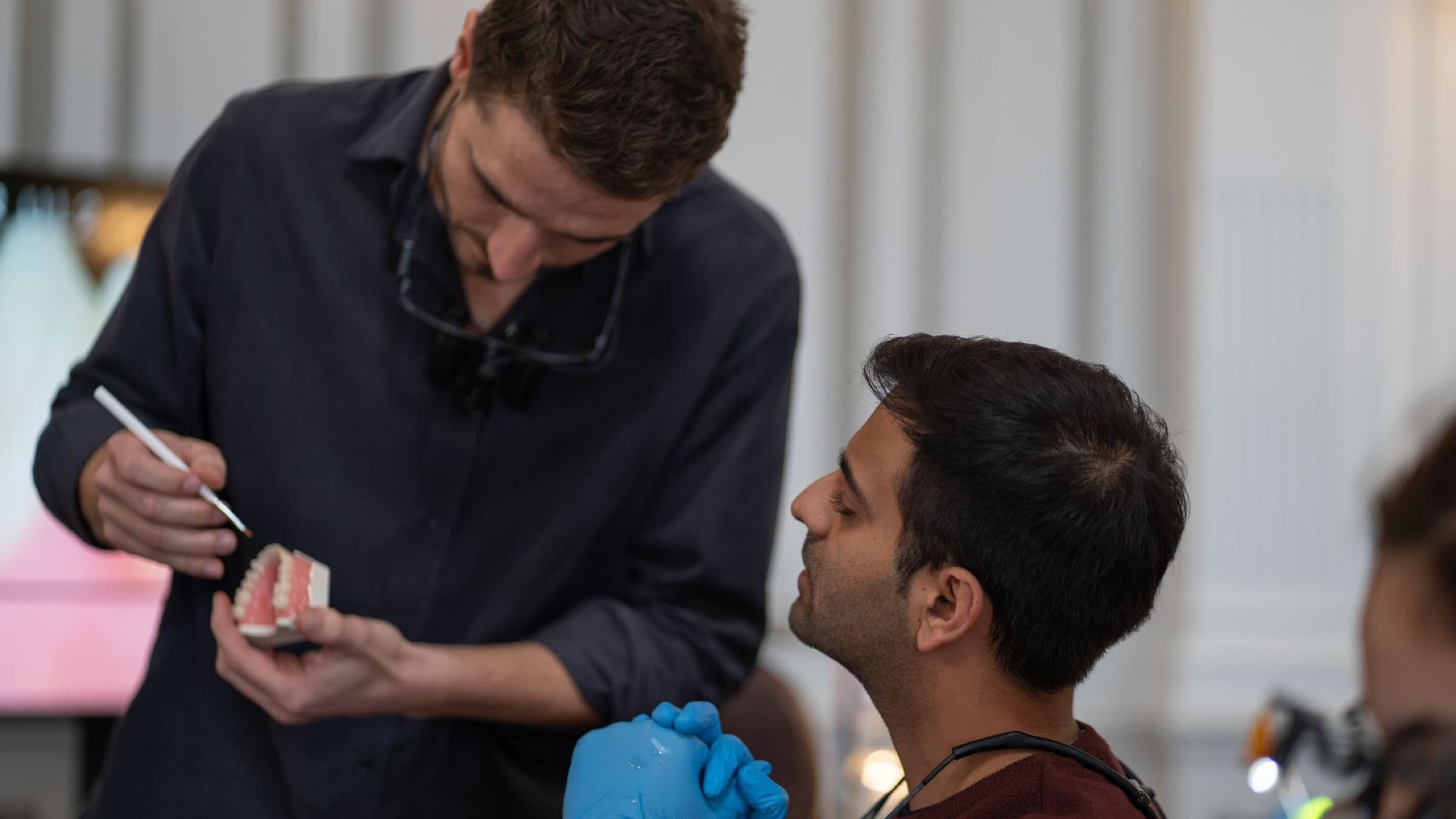
A good composite bonding course is a hands-on one: you place the teeth yourself, with your work checked regularly as you go, under an instructor whose own work you would be happy to show a patient — and you leave with a protocol that works with the composite already in your practice, verifiable CPD, a manual you will open again and somewhere to ask when a case catches you out. Everything here is written to help you judge that for any course, including ours.
The Simplifi Composite course is the two-day foundation — single-shade veneers, edge bonding, diastema and black-triangle closure, essential layering. Simplifi Layering is the advanced next step. Simplifi Composite runs in London and Manchester, Simplifi Layering in London; the next dates are always on the booking page.
Buyer's guide
Choosing a course
What separates a course that changes your dentistry from an expensive weekend.



Compare
Compare your options
Composite vs porcelain, Composite vs Layering, online vs hands-on — the trade-offs stated plainly.

Costs & ROI
Costs and payback
What UK courses cost, what should be included, and a calculator for how fast the fee comes back at your own fees.

CPD & career
CPD and your career
How the GDC's hours work, and how a hands-on course fits into your five-year cycle.

Ready when you are
Put the theory into practice
- Final spaces
Simplifi Composite
20–21 November 2026 · London