Compare
Composite bonding vs porcelain veneers: a dentist's guide
How composite bonding and porcelain veneers really compare on preparation, cost, longevity, aesthetics, repairability and chair time — and why learning composite is the faster, higher-margin skill to add first.
 Dr Albert GajdosUpdated 17 August 20268 min read
Composite bonding and porcelain veneers both reshape and rejuvenate anterior teeth, but they’re fundamentally different treatments. Composite bonding is direct, additive and usually done in a single visit with little or no drilling — more affordable and repairable. Porcelain veneers are lab-made ceramic shells that are more durable and stain-resistant but require tooth preparation and multiple visits. Neither is universally “better” — but for most dentists building their cosmetic offering, composite is the faster, higher-margin skill to master first. The fact that composite is repairable and easily modifiable gives newer practitioners the peace of mind that they will be able to adjust or repair the restoration if any issues arise. That is not so easy with porcelain, and can often lead to extra stress that you will understand once you have had to replace your own failed porcelain veneer.
Composite bonding vs porcelain veneers at a glance
| Composite bonding | Porcelain veneers | |
|---|---|---|
| Method | Direct — tooth-coloured composite applied and shaped in the mouth | Indirect — ceramic shells fabricated in a laboratory |
| Tooth prep | Minimal or none (additive) | Usually requires enamel reduction (irreversible) |
| Visits | Typically a single visit | Two or more (prep, impression, fit) |
| Patient cost | Lower | Higher |
| Longevity | ~5–8 years typically | ~10–15+ years typically |
| Repairability | Repairable & refreshable chairside | Usually remade if it fails |
| Stain resistance | Good — benefits from periodic polishing | Excellent |
| Reversibility | Largely reversible | Irreversible once prepared |
| Best for | Edge bonding, diastema closure, reversible changes, budget-conscious cases | Extensive shape/colour change and maximum longevity |
What is composite bonding?
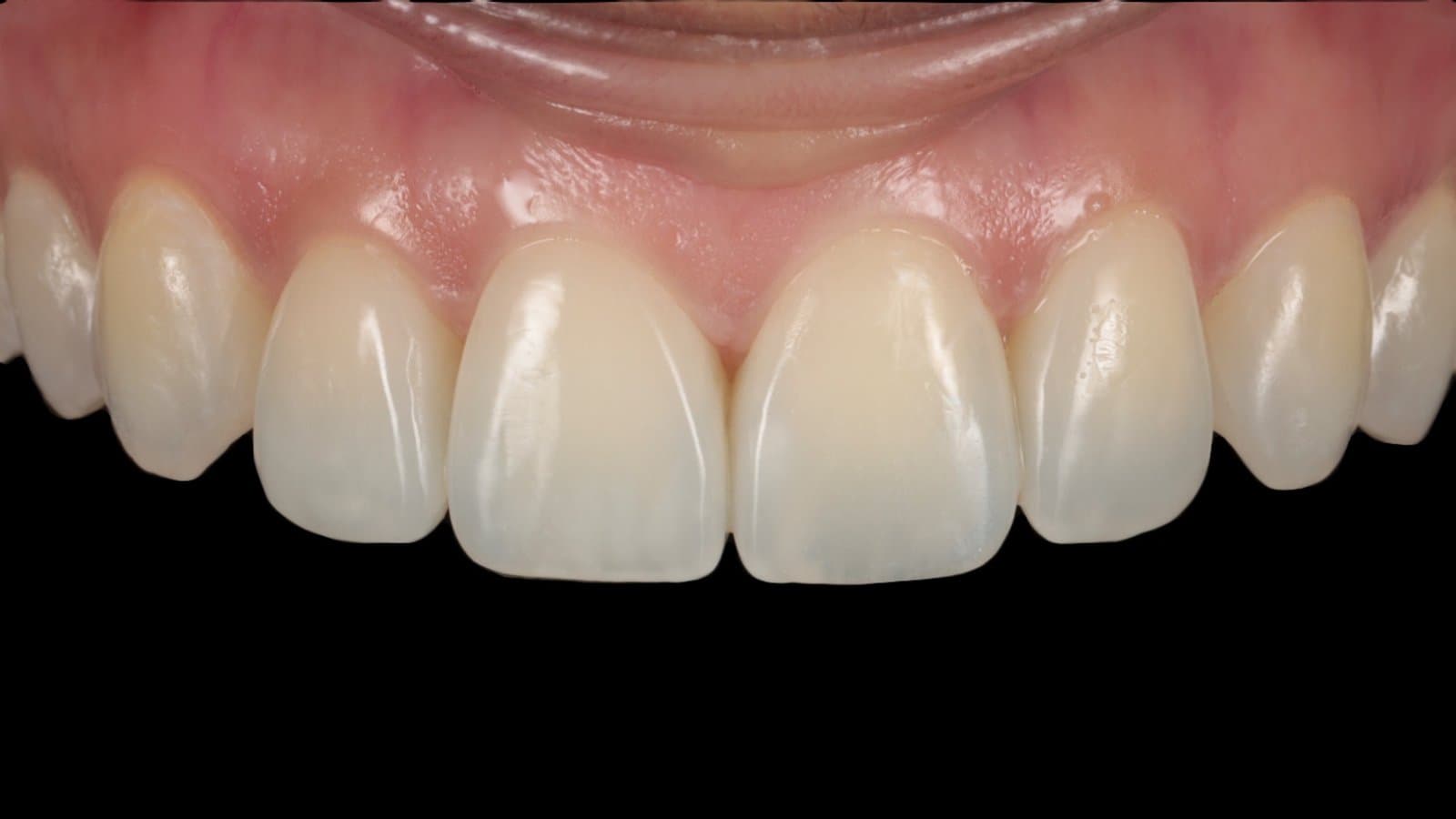
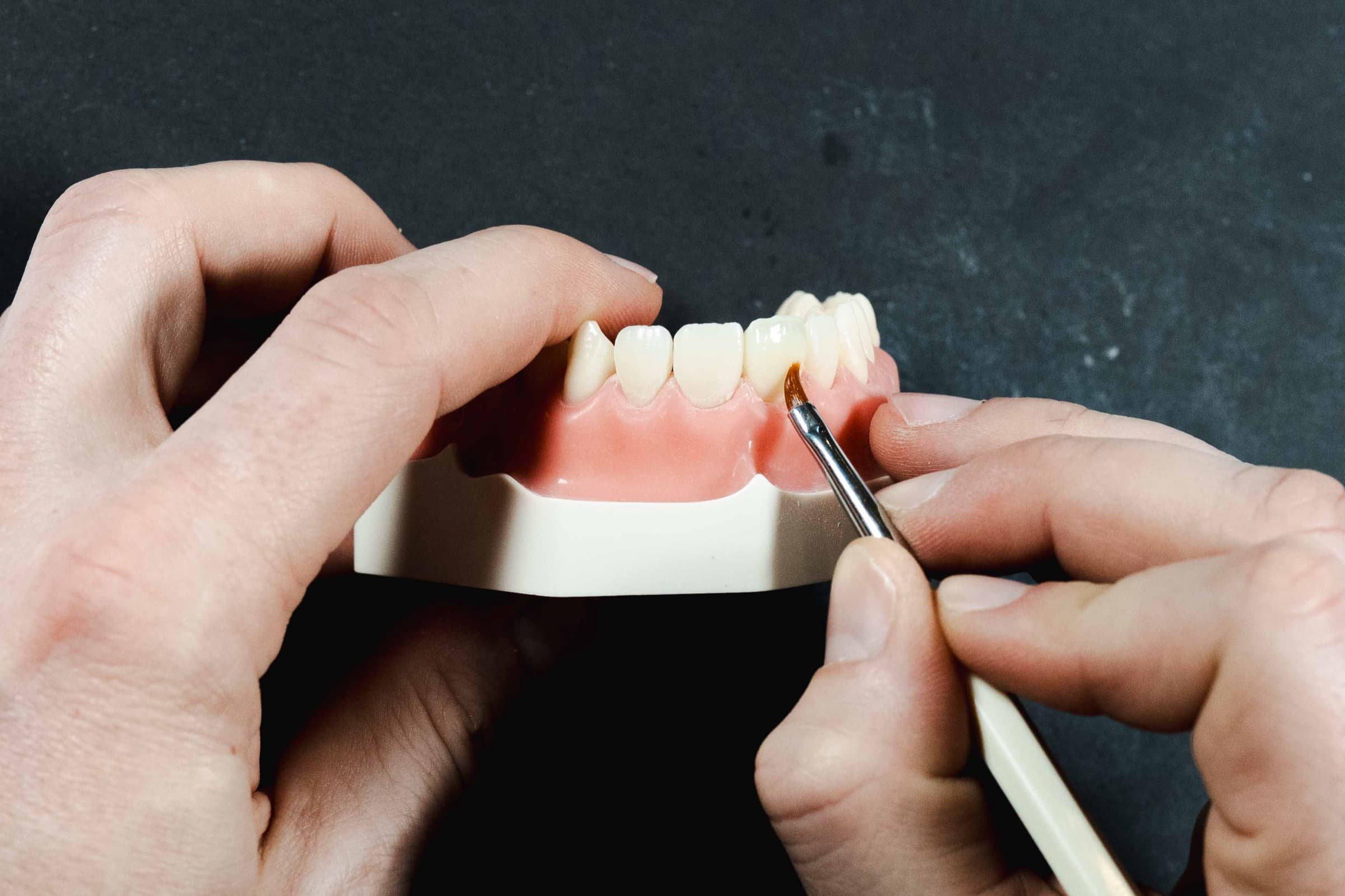
Composite bonding is a direct technique: the dentist applies tooth-coloured composite resin directly to the tooth, sculpts it by hand, then cures, contours and polishes it — all chairside, usually in one appointment. Because it’s additive, it often needs little or no drilling, which preserves natural tooth and keeps the option largely reversible. It’s ideal for edge bonding, closing diastemas and black triangles, reshaping teeth and single-visit smile improvements.
What are porcelain veneers?
Porcelain veneers are indirect restorations: thin ceramic shells are made in a laboratory from an impression or scan, then bonded to the front of the teeth. They usually require some enamel reduction to fit, take two or more visits, and cost more — but they’re extremely stain-resistant and, once bonded, very durable. The trade-off is that preparation is irreversible and a failed veneer generally has to be remade.
How long does each last?
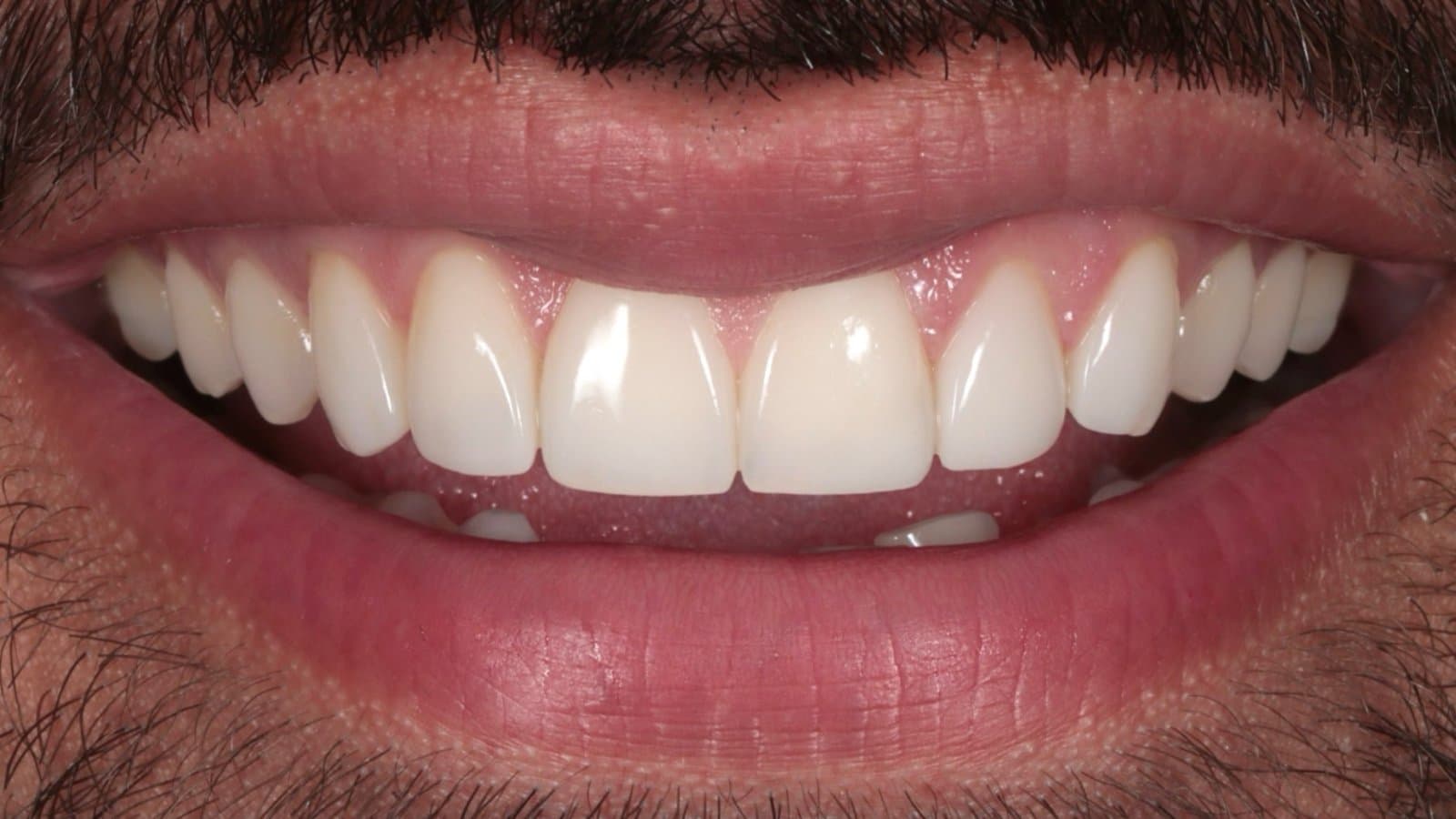
Well-placed anterior composite bonding typically lasts around 5–8 years before it needs polishing, refreshing or a small repair, while porcelain veneers often last 10–15 years or more. The practical difference is repairability: composite can be added to or refreshed chairside without redoing the whole restoration, whereas a failed porcelain veneer usually means starting again with the lab. Both depend heavily on case selection, occlusion and the patient’s habits.
Cost — for the patient and the practice
For the patient, composite bonding is usually significantly cheaper, because it’s completed chairside in one visit with no laboratory fee. For the dentist, that same single-visit, no-lab workflow makes well-executed composite a high-margin treatment — one of the reasons demand for composite skills has grown so quickly. Porcelain commands higher fees but carries lab costs, more chair time and more visits — and when a porcelain case fails, the repair is often harder and more expensive too.
Can composite look as good as porcelain?
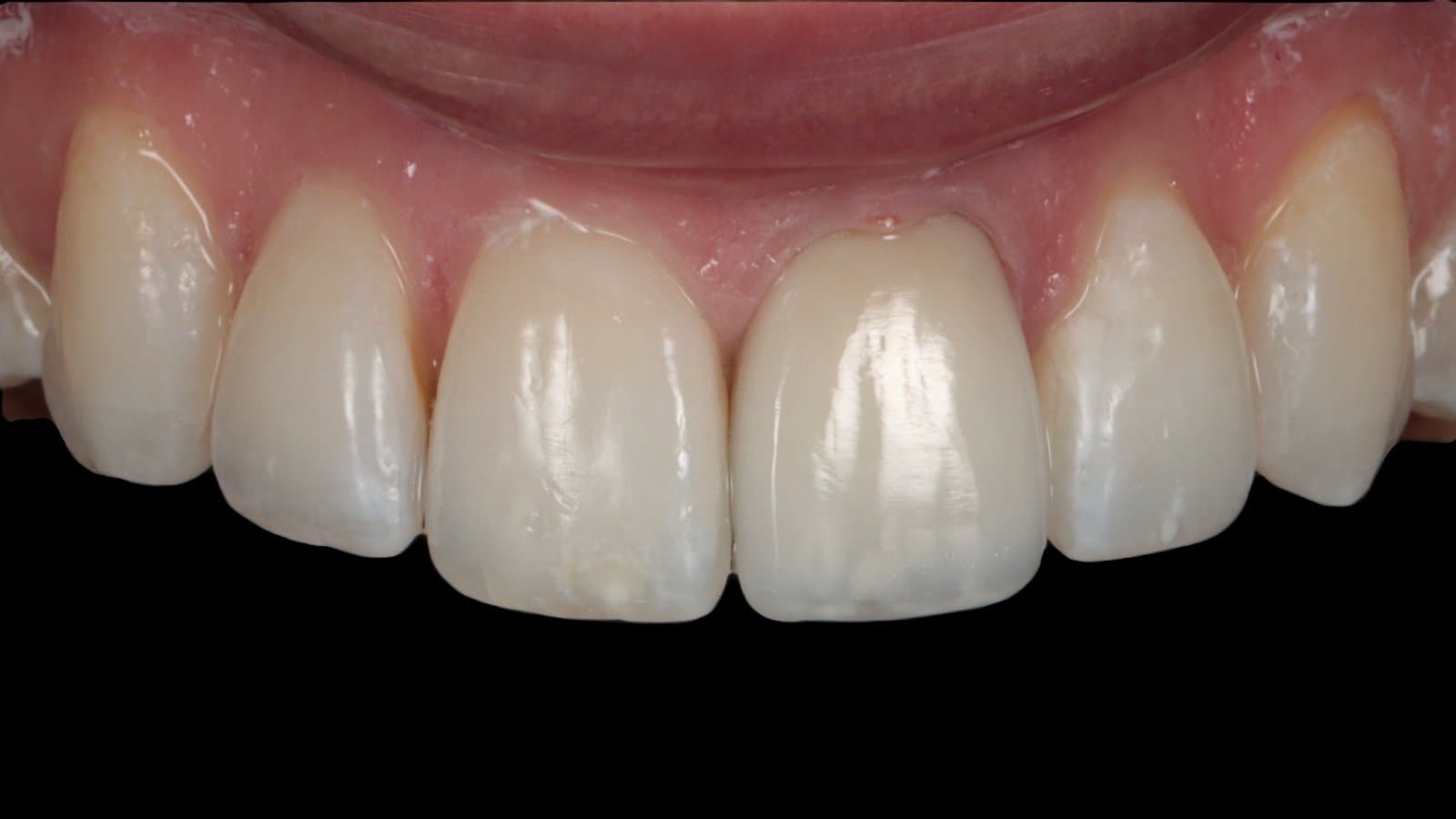
Single-shade composite delivers clean, reliable, natural everyday results. Where it gets interesting is layering: in skilled hands, polychromatic composite can reproduce the internal dentine anatomy, translucency and characterisation that make high-end cases look indistinguishable from ceramic. That artistry is learnable and reproducible — it’s the entire focus of the Simplifi Layering course.
Which should you learn to offer first?
If you’re building your cosmetic offering, composite first is the logical order. It’s minimally invasive, largely reversible, in high demand, higher-margin, and it builds the hand skills (shaping, contouring, finishing, polishing) that underpin everything else, porcelain included. Once your single-shade work is confident and predictable, layered composite lets you take on the high-end cosmetic cases that would otherwise go straight to porcelain.