Buyer's guide
How to choose a composite bonding course in the UK (2026)
A dentist's guide to picking the right composite bonding course — the eight things that actually matter, the questions to ask yourself before you go on a course, and how to tell hands-on substance from marketing.
 Dr Albert GajdosUpdated 17 August 20269 min read
Choosing a composite bonding course comes down to one question: how much better will your hands be on Monday morning? The best courses are built around maximum hands-on practice, an instructor that checks your work regularly, verifiable CPD, and protocols you can use with the materials you already own. The weakest are lecture-heavy days that leave you inspired but no more skilled. This guide breaks down the eight things that actually separate the two — and the questions to ask yourself before you go on a course.
Start with what you want to be able to do
Before comparing courses, get specific about the outcome you want. “Get better at composite” is too vague to choose against. Do you want to place clean, reliable single-shade veneers and edge bonds in everyday appointments? Or are you already confident there and want layered, polychromatic results that rival porcelain? Those are two different courses. A good provider will tell you honestly which level suits you rather than selling you the most expensive option.
At Simplifi, that split is deliberate: Simplifi Composite “The Original” builds the foundation (single-shade veneers, edge bonding and diastema closure), while Simplifi Layering “The Next Level” is the advanced course for internal anatomy, characterisation and masking discolouration.
We’re also honest in saying that our courses won’t teach you everything. For example, we don’t cover composites placed for purely health reasons, such as treating anterior caries, and we don’t cover posterior composites on either of our two courses. That allows us to keep the focus heavily on the high-value items: composite bonding and composite veneers.
The eight things that actually matter
1. Hands-on ratio — one tooth per technique

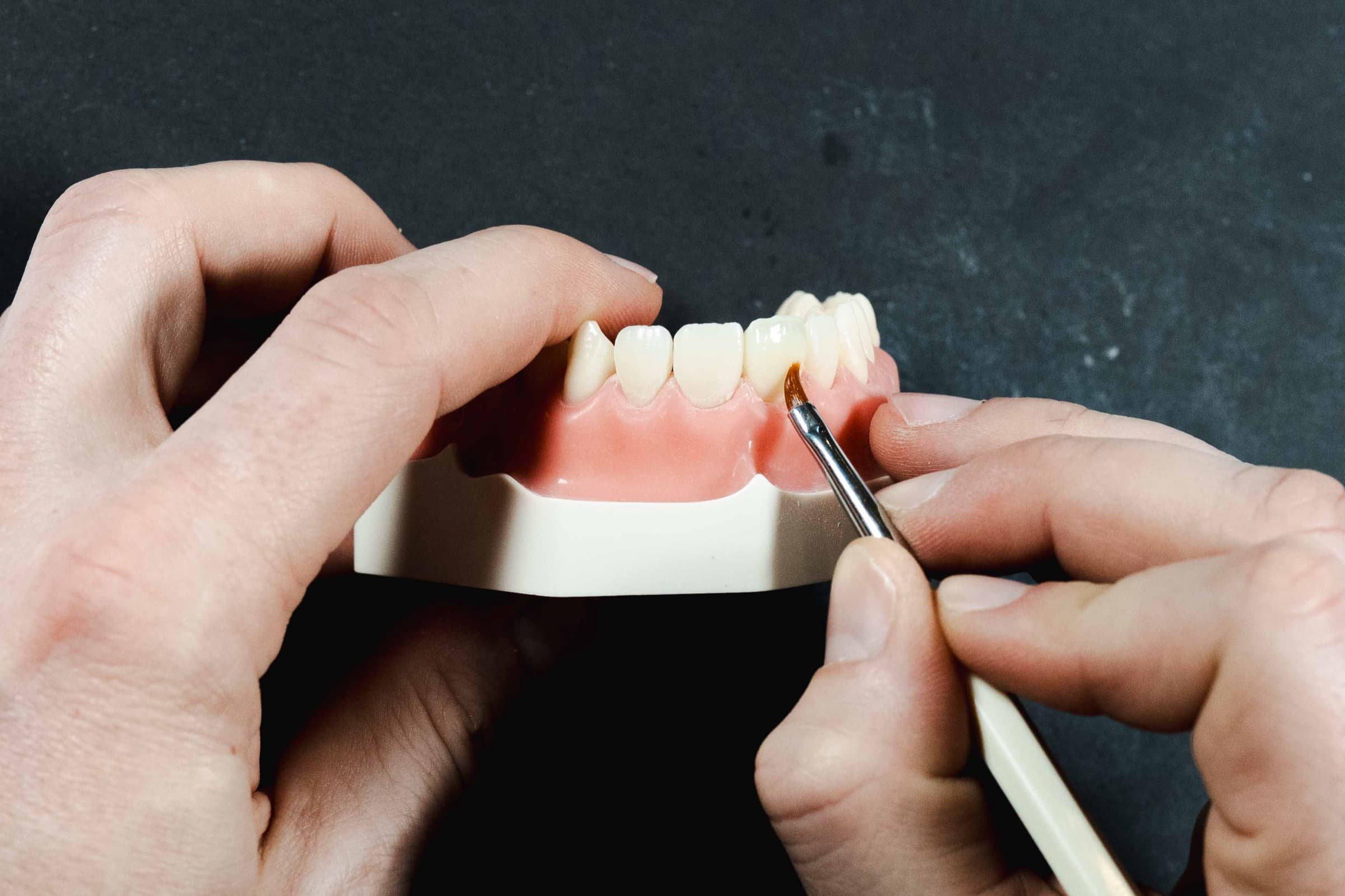
Composite bonding is a manual skill. Layering, contouring, finishing and polishing only improve by doing them under guidance. Look for a course where you personally place a restoration for every technique taught — not one where you watch the instructor and practise a single tooth at the end. Simplifi Composite is built around placing six teeth hands-on, including composite veneers, edge bonding and diastema closure; Simplifi Layering, four fully layered restorations including a peg lateral, a discoloured tooth, a Class IV and additional layering.
2. Instructor attention
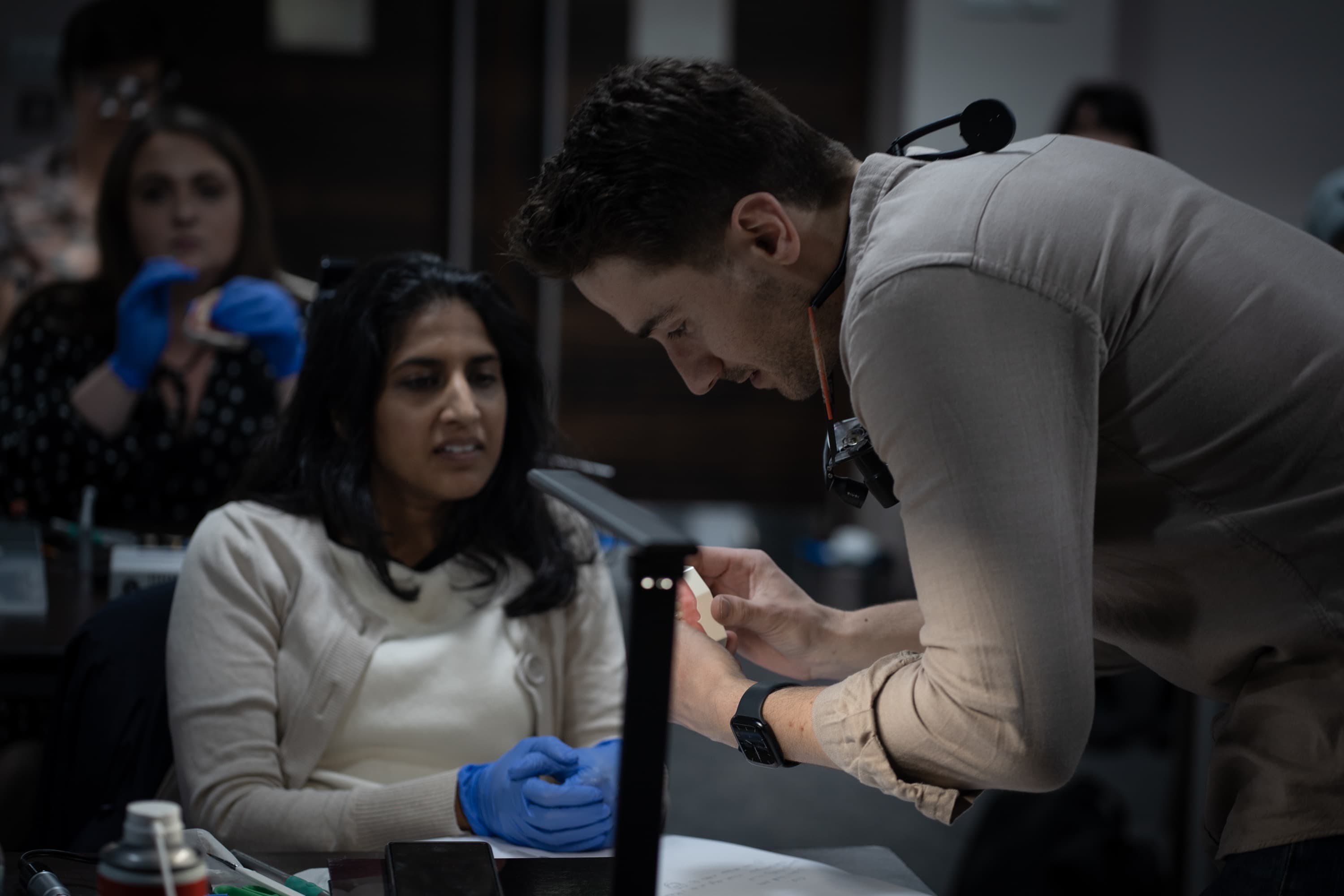
Hands-on only works if the instructor can actually reach you. The cohort should never be so large that your hands go unwatched: your mistakes should be corrected in real time and your specific cases answered. Large “hands-on” rooms quietly become demonstrations. Ask how often the instructor will actually come to your bench during the practical sessions. On the Simplifi course, what matters to Dr Albert is that your work is checked regularly. Every second he isn’t demonstrating a practical is spent working from delegate to delegate, checking and helping with their work — this feedback is the reason the course has sold out every class for four years.
3. Verifiable CPD and a certificate
A serious course states its verifiable CPD hours explicitly and issues a certificate of completion. A 2-day hands-on course should carry around 17 hours. Overseas dentists should receive the same certification — Simplifi issues the same certificate to UK and international delegates.
4. A take-home manual
You will not remember every step by Monday. A detailed, illustrated manual turns a two-day burst into a reference you use for years. Simplifi delegates receive a hardcover manual of step-by-step protocols (250+ pages for Composite, 300+ for Layering), so you’re never relying on memory or hurried notes.
5. Protocols that work with your materials
Be cautious of courses that only work with one proprietary kit. The most useful training teaches principles that transfer to almost any composite, so you apply them with what’s already in your surgery. As with any course, you may want to purchase a few things afterwards. However, they are strictly optional and largely inexpensive. Because Simplifi is independently run and unaffiliated with any manufacturer, Dr Albert teaches brand-independent protocols and gives an honest opinion on materials.
6. The instructor’s own clinical work
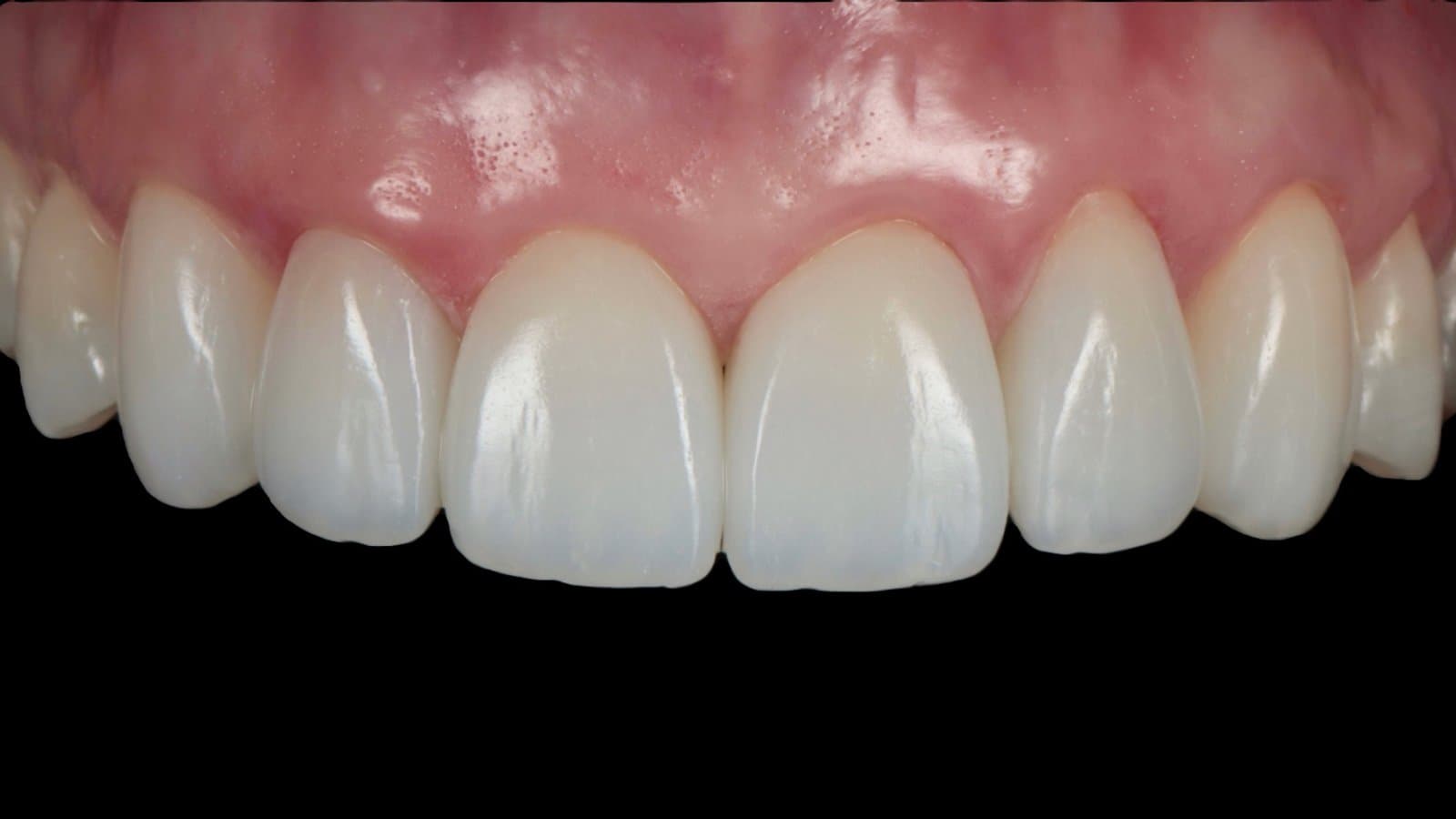
You’re buying someone’s judgement, so look at their actual dentistry. Does the instructor publish their cases? Do they have recognised credentials and a teaching track record? Dr Albert Gajdos is a GDC-registered aesthetic dentist (BDS Hons, GDC 265157) working at an award-winning private practice, featured in Dentistry UK and a speaker at the BACD and SADA — and his portfolio is public.
7. Post-course support
The hardest part is the first cases back in practice. A course that includes ongoing support (a mentor group, a way to ask questions with photos) dramatically improves how much you actually implement. For exactly this reason, every Simplifi delegate gets unlimited and exclusive access to the post-course WhatsApp support group, the Simplifi AI Answerbot and additional post-course content.
8. Honest scope and level
A good course is clear about what it does and doesn’t cover, and who it’s for. Beware “everything” promises delivered in a single day. Clear scope lets you choose the right level now and progress deliberately — foundations, then layering, then seeing it applied on a live patient.
Questions to ask yourself before you go on a course
- How many teeth will I place myself, and on how many techniques?
- Am I going to get time for the instructor to check my work?
- How many verifiable CPD hours, and do I get a certificate?
- Is there a printed manual and post-course support included?
- Do the protocols work with the composites I already use?
- Can I see the instructor’s own clinical work and credentials?
- Is this the right level for where I am — and what comes next?
Red flags to watch for
- “Hands-on” that turns out to be one tooth at the end of a lecture day.
- Instructors not checking your work regularly.
- Protocols locked to one proprietary kit you’re expected to keep buying.
- No verifiable CPD hours stated, or no certificate.
- No manual, and no support once you leave.
- Vague claims and no visible portfolio from the person teaching.
How much should it cost?
Price should track substance (hands-on time, instructor attention, materials, the manual and support), not brand alone. UK composite courses generally run from about £1,300 to £1,800. We break down exactly what drives the price, what should be included, and how quickly it pays back in our composite course cost & ROI guide.