
Buyer's guide
Composite bonding courses for dental therapists: scope, skills and how to choose
Direct restorations sit within a dental therapist's scope of practice, and anterior composite is where many therapists are growing their role. What to check before you book, what a good course must give you, and what one therapist found on Simplifi.
 Dr Albert GajdosUpdated 13 September 20266 min read
More dental therapists are learning anterior composite than ever, for good reasons: direct restorations are within your scope of practice, the work suits the way therapists already operate (careful, unhurried, particular about finishing), and it adds real value to the practice you work in. This guide covers the three things to settle before you book: scope and indemnity, what a course must give a therapist, and how to choose one.
Scope of practice, in plain terms

The GDC’s Scope of Practice lists direct restorations on primary and secondary teeth among the things a dental therapist can do. Cosmetic composite bonding (an edge repair, a veneer, closing a diastema) is a direct restoration. Three things then decide whether a particular case is appropriate for you:
- Training and competence. You must be trained in the technique and able to demonstrate it — which is what a hands-on course is for.
- Indemnity. Confirm with your provider that cosmetic anterior composite is covered. Ask in writing.
- Assessment and planning. Whether you see the patient under direct access or on a dentist’s prescription, the case needs a proper assessment, radiographs where indicated, and a plan you’re comfortable owning.
The Scope of Practice document is updated from time to time — read the current version on the GDC website rather than relying on a summary, including this one.
What a course has to give a therapist
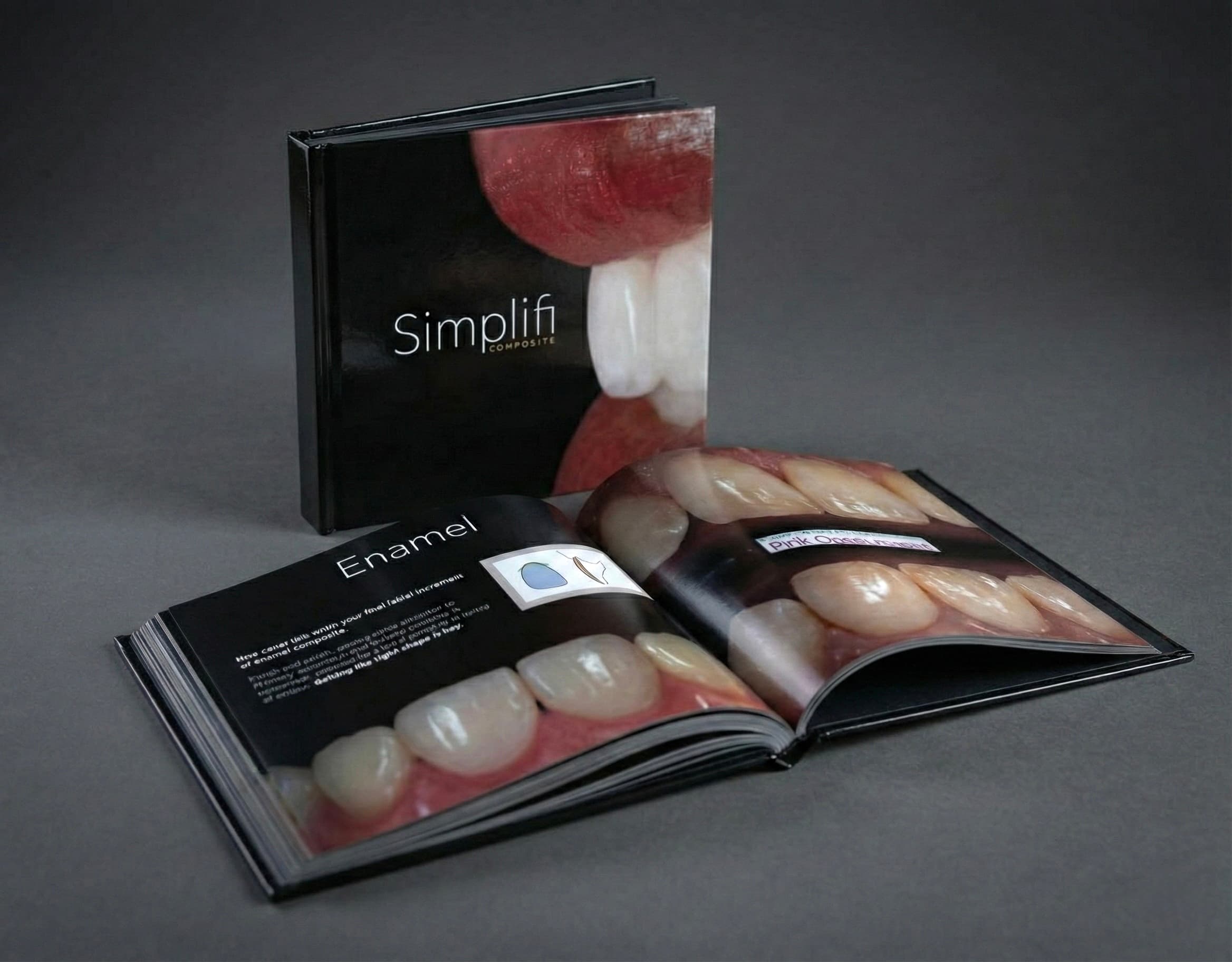
- The same course, not a diluted one. You place the same teeth, get the same feedback and leave with the same manual and certificate as every dentist in the room.
- A protocol that fits your appointment book. Single-shade veneers, edge bonding and diastema closure with a repeatable finishing sequence — the cases you’ll actually be asked to do.
- Brand-neutral technique. It has to work with the composite your practice already stocks.
- Support afterwards. A group you can post a case to when you’re unsure is worth more than any slide deck.
- Verifiable CPD with stated hours and a certificate.
Choosing between courses
Use the same criteria a dentist would (hands-on time, how closely your work is checked, instructor, CPD, manual, support, price including VAT, refund terms), plus one more: does the provider say, clearly, that therapists are welcome? If it’s an afterthought on the booking form, it will be an afterthought in the room. Our guide to choosing a composite course goes through each criterion.
Where it leads

Anterior composite is one of the few areas where a therapist can add high-value, single-visit treatment to a practice without new equipment. Start with the single-shade fundamentals until they’re routine. When the cases that catch you out are optical (discoloured teeth, Class IVs, peg laterals), Simplifi Layering is the next step, open to therapists on the same terms.