Compare
Simplifi Composite vs Layering: which course should you take first?
Both are 2-day hands-on courses at the same price. The difference is where you are now: single-shade and essential layering fundamentals that make everyday anterior composite predictable, or a full layered smile case for the work single shade can't do.
 Dr Albert GajdosUpdated 13 September 20266 min read
Simplifi Composite and Simplifi Layering are both two-day, maximum hands-on courses — both £1,487.50 + VAT (£1,785), both 17 hours of verifiable CPD, both taught by Dr Albert Gajdos. They are not two versions of the same course. One builds the single-shade and essential layering foundation that makes everyday anterior composite predictable; the other takes that foundation into a full layered smile case. Which you take first depends on where your hands are now — not on how long you’ve been qualified.
What each course actually is
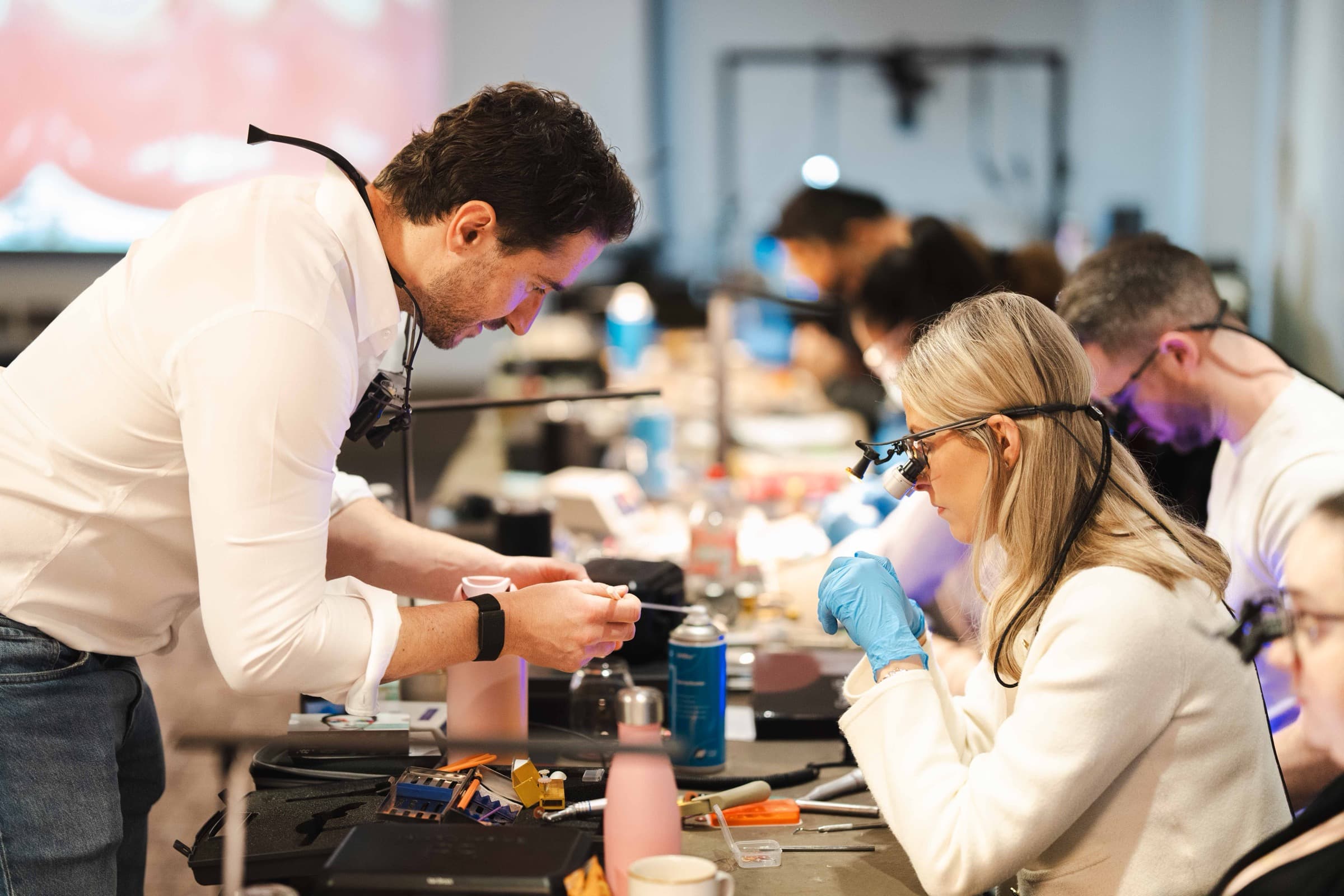
Simplifi Composite — ‘The Original’. Six teeth, hands-on: central, lateral and canine single-shade veneers, edge bonding with basic layering, diastema closure and the Simplifi layered veneer. Day one is smile design, adhesion, isolation and the single-shade protocol; day two is edge bonding, diastema closure, finishing and hands-on practice of the Simplifi layering protocol — an essential and easily replicable layering technique. You leave with a repeatable system for the cases you see every week, a 250-page hardcover manual, the post-course WhatsApp group, additional post-course content and the Simplifi Answerbot AI resource.
Simplifi Layering — ‘The Next Level’. A full upper 2–2 smile case, built start to finish: a discoloured central veneer, a Class IV central, a peg-shaped lateral and the advanced layered veneer, using packable and flowable composites, from smile design to finishing the whole case as one smile. Underneath it is the optics: how enamel and dentine create colour, value and translucency, so you can read a tooth and rebuild it. A 300-page manual, the same support.
Five signals you’re ready for Layering
- You place anterior composite regularly, and isolation, matrices and finishing are routine rather than stressful.
- Your single-shade cases hold up — chipping and staining aren’t the main issue; the limit is what single shade can do.
- The cases that catch you out are optical: a discoloured tooth that greys through, a Class IV with a visible margin, a peg lateral that needs real anatomy.
- You want the higher-value cosmetic cases — the more complex ones you could charge more for, but would not normally take on with confidence.
- You know the words (value, chroma, mamelons, incisal halo) even if you can’t yet reproduce them reliably.
Three or more of those and Layering is the right booking. Fewer, and Composite will get you there faster than Layering would — because Layering assumes the single-shade protocol is already second nature.
Why most people start with The Original
Layering isn’t harder in the sense of “more steps”. It’s a different discipline: controlling value and translucency across several layers, on teeth that are already difficult. If your basic contouring and finishing still take concentration, you spend the Layering days on fundamentals instead of on layering. Delegates who come to Layering from The Original tend to get more out of it, because the protocol underneath is automatic. That’s why the natural pathway is Composite → Layering → Live.
Doing both
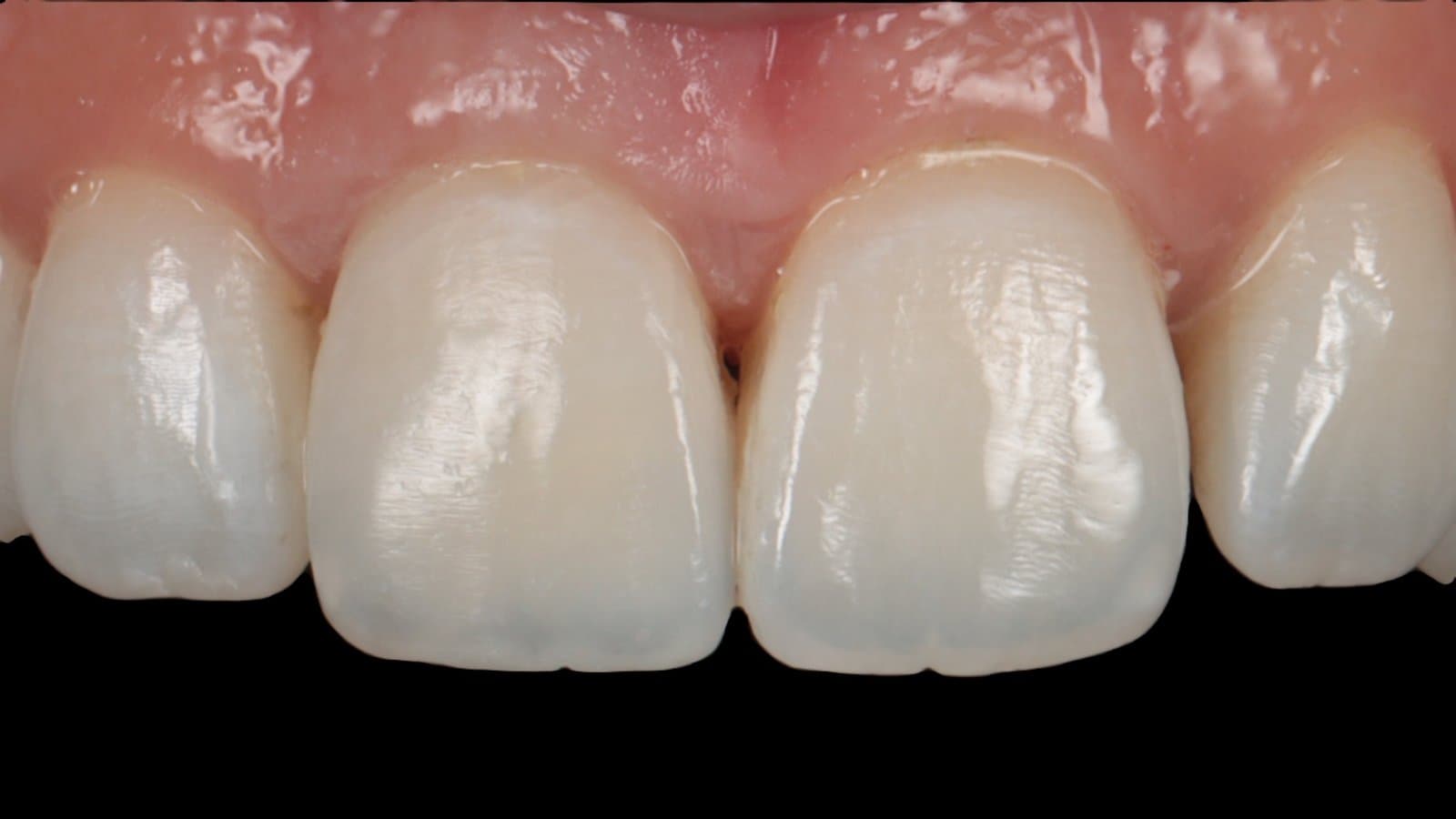
Many delegates eventually do both: Composite first, Layering a few months or a year later once the protocol is habit. Each course stands alone, the price is the same, and instalments (up to 5 monthly payments at 0% APR) apply to either. Dates for both are on the Book now page.