CPD & career
How many CPD hours do UK dentists need? The GDC enhanced CPD cycle, explained
Dentists need 100 hours of verifiable CPD in every five-year cycle, therapists and hygienists 75 — with at least 10 hours in any two consecutive years. What makes hours verifiable, which topics the GDC recommends, how a hands-on course fits your cycle, and how to log it in ten minutes.
 Dr Albert GajdosUpdated 20 September 20267 min read
A UK dentist needs 100 hours of verifiable CPD in every five-year cycle. Dental therapists, hygienists, orthodontic therapists and clinical dental technicians need 75 hours; dental nurses and dental technicians 50. Whatever your group, you must do at least 10 hours in any two consecutive years, make a CPD statement every year, keep a personal development plan and log each activity. That is the GDC’s enhanced CPD scheme, in force since 2018. Here is what the numbers mean in practice, what makes an hour “verifiable”, and how a hands-on course fits.
The requirements, by registrant group
| Dentists | Therapists, hygienists, ortho therapists, CDTs | Nurses & technicians | |
|---|---|---|---|
| Verifiable hours per 5-year cycle | 100 | 75 | 50 |
| Minimum in any two consecutive years | 10 hours | 10 hours | 10 hours |
| CPD year | 1 Jan – 31 Dec | 1 Aug – 31 Jul | 1 Aug – 31 Jul |
| Annual CPD statement | By 28 January | By 28 August | By 28 August |
| Also required | PDP + activity log | PDP + activity log | PDP + activity log |
Non-verifiable CPD (reading journals, informal study) is still worth doing, but it no longer counts towards the total. If you have not declared any CPD in a two-year window the GDC will ask why, so the 10-hour minimum is not a formality.
What makes CPD “verifiable”
An activity counts as verifiable when the provider can show four things:
- Concise educational aims and objectives — what the session sets out to teach.
- Clear anticipated outcomes — what you should be able to do afterwards.
- Quality-assurance arrangements — the provider evaluates the activity and acts on feedback.
- Documentary evidence — a certificate carrying your name, the subject, the learning content, the development outcomes covered, the date, the number of hours and the provider’s details.
Two small changes from March 2025 make life easier: your GDC registration number no longer has to appear on the certificate, and a provider can confirm a certificate’s details by email rather than a wet signature. Keep the certificates for the full cycle and after it. The GDC can ask for them.
Composite bonding CPD courses: what counts
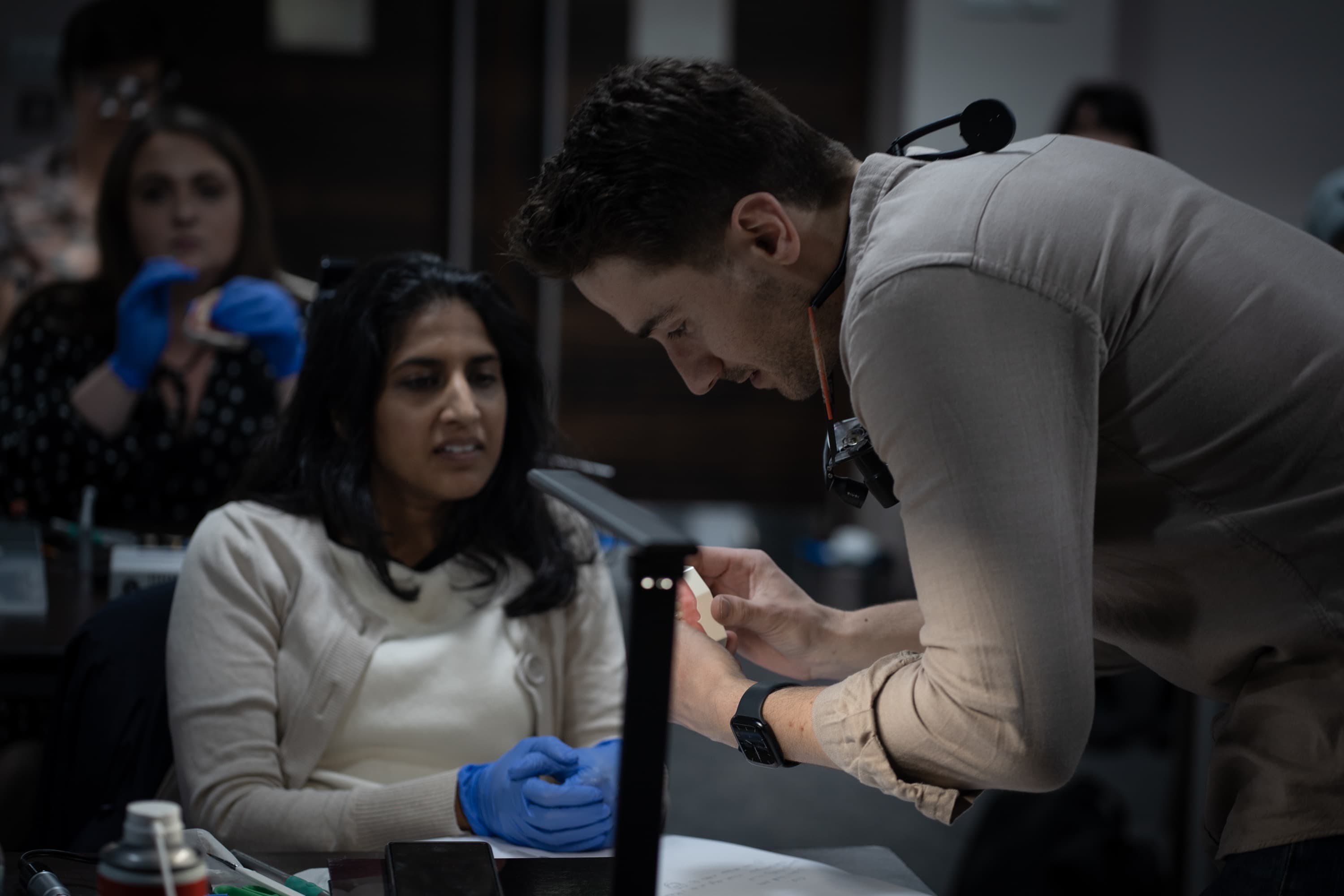
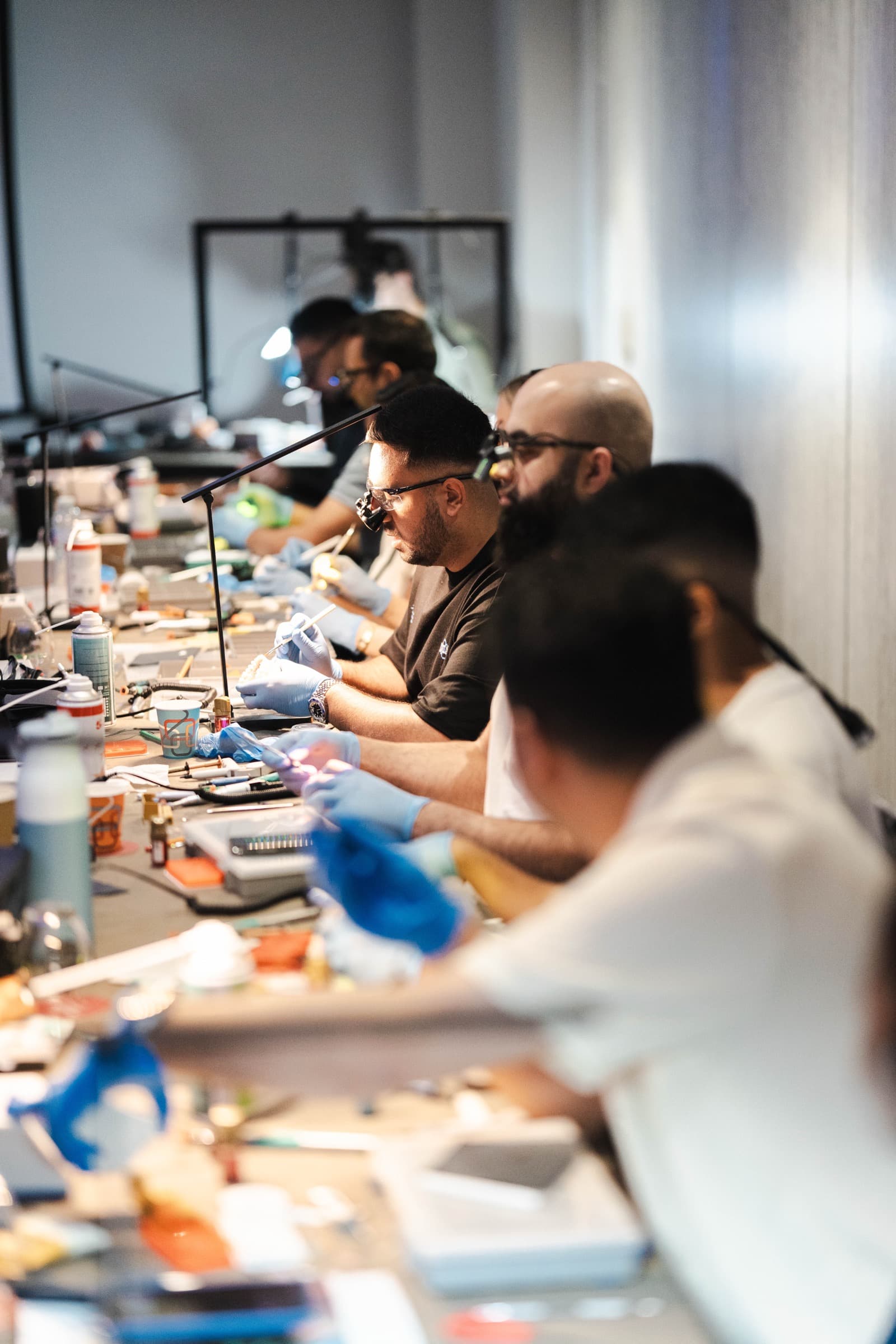
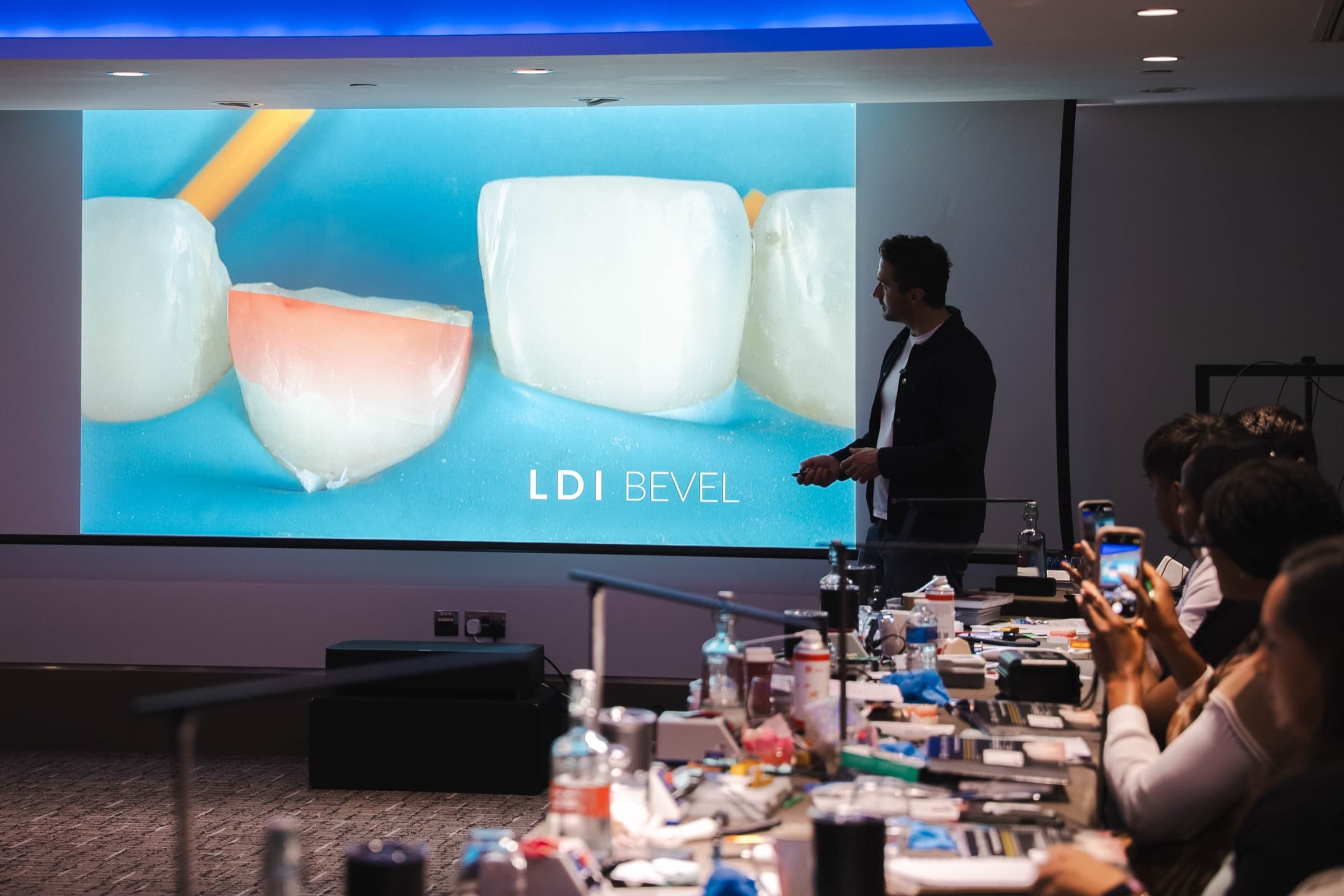
A two-day composite bonding course counts as verifiable CPD if it has stated aims and objectives, stated learning outcomes, quality feedback and a certificate showing the hours — all four, not three. Simplifi Composite carries 17 verifiable hours under development outcome C.
The four development outcomes
Every verifiable activity is mapped to at least one of the GDC’s development outcomes, and the scheme expects your CPD across a cycle to touch all four:
- A — effective communication with patients, the team and others, including consent, complaints and raising concerns.
- B — effective management of yourself and of others, including business, finance and quality assurance.
- C — maintenance and development of knowledge and skill within your field of practice.
- D — the skills, behaviours and attitudes that keep patients’ confidence in you and the profession, and put their interests first.
A clinical hands-on course sits squarely in C. Most dentists have no trouble filling C and struggle to evidence A, B and D — worth remembering when you plan a cycle.
The topics the GDC recommends every cycle
These are not legal minimums (the legal minimum is the total hours), but the GDC expects to see them, and fitness-to-practise panels notice when they are missing:
- Medical emergencies — at least 10 hours per cycle, ideally 2 hours every year.
- Disinfection and decontamination — at least 5 hours per cycle.
- Radiography and radiation protection — at least 5 hours per cycle.
- Also recommended: legal and ethical issues, complaints handling, early detection of oral cancer and safeguarding children and vulnerable adults.
Those add up to 20 hours or so across a cycle. The remaining 80 are yours to spend on the dentistry you actually want to be better at — and the GDC asks that it is relevant to your field of practice, which for a general dentist doing anterior composite is exactly what a restorative course is.
How a hands-on composite course fits your cycle

Simplifi’s two-day courses carry 17 hours of verifiable CPD, two full teaching days, with a certificate that states the hours, the aims and outcomes and the development outcome. For a dentist that is 17% of the five-year requirement; for a therapist, just over a fifth. It is also the kind of activity the scheme was written for: a personal development plan entry (“offer anterior composite predictably”), the course, reflection on what changed in your practice, and a log entry with the evidence.
Logging it in ten minutes
- Download or photograph the certificate the day you receive it.
- Add the activity to your log: date, provider, subject, hours, and the development outcome codes from the certificate.
- Write two or three lines of reflection against your PDP — what you set out to learn, what you can now do, what you will do differently.
- Update the running total for the cycle, and check the 10-hour two-year window while you are there.
- Declare the hours in your annual statement when renewal comes round.
Five ways dentists lose hours
- Webinars without a certificate — if you cannot evidence it, it is not verifiable.
- Leaving the two-year minimum late — the 10 hours must fall within any two consecutive years, rather than anywhere in the cycle.
- Certificates missing the hours or outcomes — ask the provider to reissue it before you file it.
- Counting the day, not the learning — hours on a certificate should reflect teaching time, not the lunch break.
- Assuming the grace period will save you — it is up to 56 days, has to be requested in the last six months of the cycle, and cannot be granted afterwards.
For the rules themselves, read the GDC’s current CPD guidance rather than a summary (including this one), and check your dates in eGDC. If you are weighing up courses for the clinical part of your cycle, our guide to choosing a composite bonding course covers what to look for beyond the certificate.